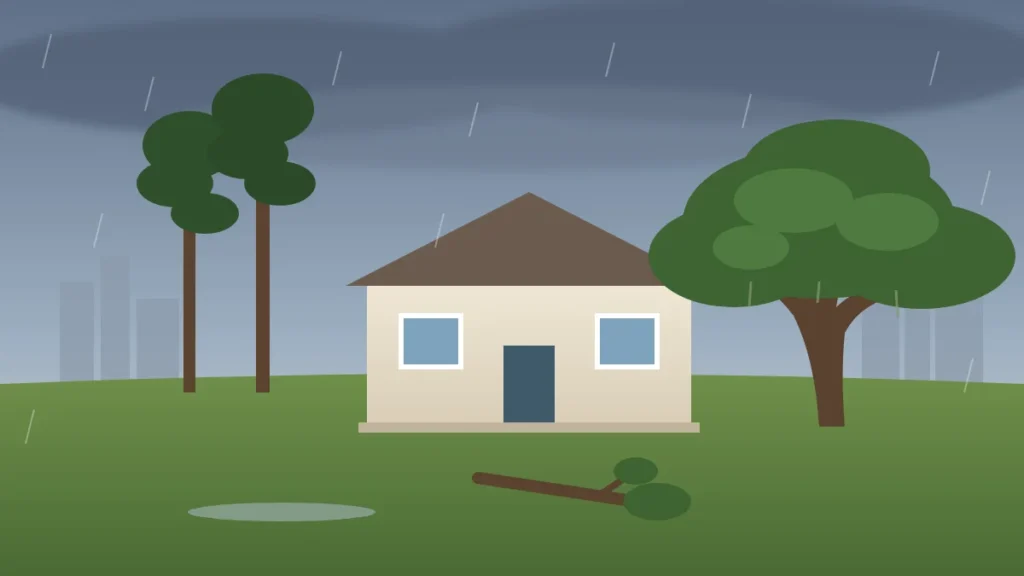
Tree removal in Houston comes with its own challenges. Houston’s tall pines, live oaks, and pecans give the city plenty of shade, but they also face humid summers, saturated soil, and hurricane-season winds. Whether you have a dead tree in the backyard or a limb on your roof after a storm, this guide explains when removal makes sense, what it costs in Houston, and how to find a reliable local pro.
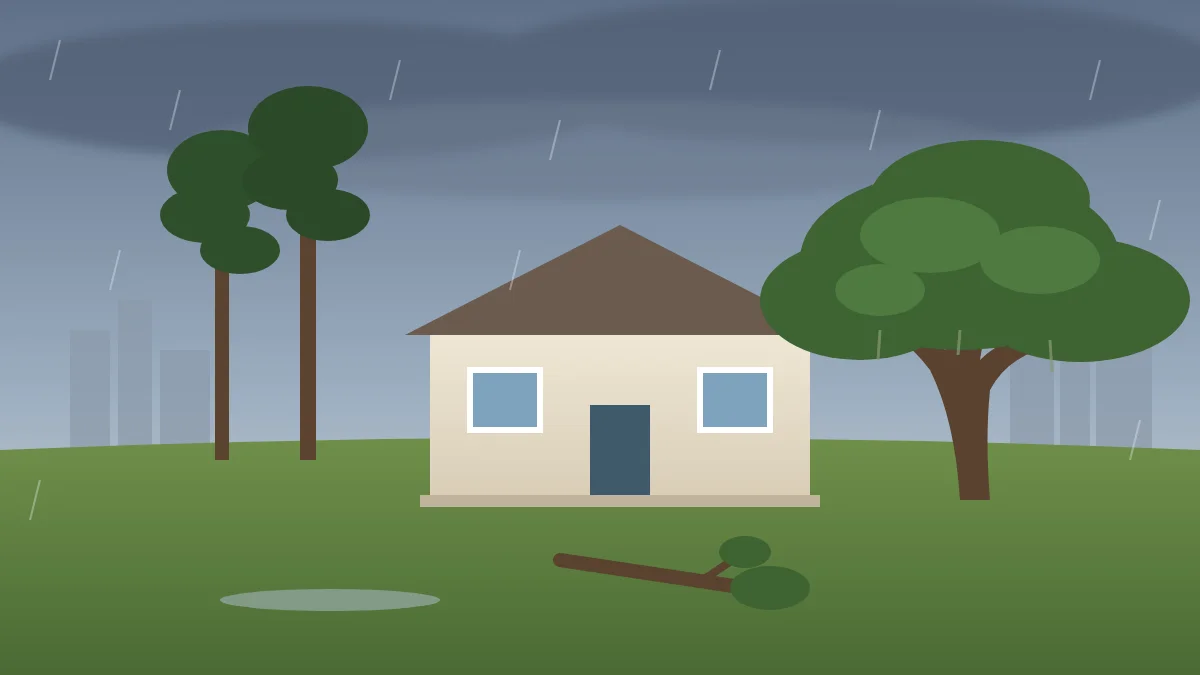
Quick answer: In Houston, removal makes sense for trees that are dead, leaning after a storm, cracked or hollow, or close enough to hit your home or power lines. Most jobs run from about $300 for a small tree to $3,500 or more for a large or hard-to-reach tree. Always hire an insured company and get at least three written quotes.
When Should You Remove a Tree?
Removal is usually the right call when a tree is:
- Dead, or more than half the canopy has died back
- Leaning suddenly after heavy rain or wind
- Showing cracks, a hollow trunk, or fungus at the base
- Close enough to hit your home, fence, or power lines if it fails
Not sure whether it’s worth saving? Book an arborist consultation first. You can also find ISA Certified Arborists through the International Society of Arboriculture and learn the signs of a hazardous tree at Trees Are Good.
Need a tree removed?
Compare 1733 local tree companies and get free quotes.
Hurricanes, Flooding, and Houston Trees
Houston’s biggest tree risk is weather. Saturated clay soil loosens roots, and strong winds can topple even healthy trees. After a flood or storm, trees can look fine but still be unstable, so have them checked before the next season. Pine trees add another risk: stressed pines can attract bark beetles, so it’s worth checking out any pine that’s thinning or dropping needles. For prep and forecasts, see the National Hurricane Center, and for tree health guidance, the Texas A&M Forest Service.
Tree Removal in Houston: Average Cost
For context, the national average for a standard removal is about $850, with most jobs between $385 and
Average Tree Removal Cost in Houston
,070, according to Lawn Love’s 2026 data. Houston prices vary with tree height, access and storm demand:
| Tree size | Typical cost |
|---|---|
| Small (under 30 ft) | $300 – $700 |
| Medium (30–60 ft) | $700 – $1,500 |
| Large (60+ ft) | $1,500 – $3,500+ |
Tall pines, trees over fences or pools, and storm-damaged trees usually cost more because they need extra rigging or a crane. Stump removal is typically quoted separately, so ask about stump grinding. If you’re clearing a whole lot for building, see land and lot clearing.
Permits and Local Rules
Tree rules in Houston can depend on where you live and what’s nearby. Trees near streets, utility lines, or in an HOA community may have extra requirements, and deed restrictions can apply even when the city doesn’t. Before removing a large tree, check with the City of Houston, your HOA, and your utility provider if branches are near power lines. Never try to cut a tree touching a power line yourself. A good local tree company will know the process and can usually advise.
Common Trees Behind Tree Removal in Houston
Most calls for tree removal in Houston involve a handful of species that do well in the Gulf Coast climate but can become a problem as they age or after storms:
- Live oaks: long-lived and sturdy, but their wide, heavy limbs can split in high winds or grow over roofs and driveways.
- Loblolly and other pines: tall and fast-growing, with shallow roots in wet soil. Stressed pines are also vulnerable to bark beetles.
- Pecans: large, valuable shade trees with wood that can break under ice or wind load.
- Chinese tallow: an invasive species that spreads quickly. Many homeowners choose to remove it and replant with a native tree.
- Water oaks and laurel oaks: common in older neighborhoods and prone to decay as they reach the end of their lifespan.
If you’re not sure whether a tree is healthy, an arborist can tell you whether pruning, cabling or removal makes the most sense.
Houston Soil, Rain and Root Problems
Much of the Houston area sits on dense clay soil that swells when wet and shrinks when dry. After days of heavy rain, saturated clay holds roots poorly, so a tree that looked solid last week can start leaning. In long dry spells, the same soil cracks and pulls away from roots. Watch for:
- Soil heaving or cracking on one side of the trunk
- A new or growing lean after a storm
- Exposed or broken roots near the base
- Mushrooms or fungus around the root flare, a common sign of root decay
Any of these near a house, fence or driveway is a good reason to get a professional opinion quickly.
Hurricane Season Prep: A Simple Checklist
The Atlantic hurricane season runs from June 1 to November 30, according to the National Hurricane Center. Spring and early summer are the best time to get trees ready:
- Walk your yard and note dead branches, cracked limbs and leaning trees.
- Trim limbs that hang over the roof, driveway or power lines. For trees touching utility lines, contact your electric utility instead of a regular tree crew.
- Remove trees that are dead, hollow or clearly failing before storm season, when crews are less busy.
- Photograph your trees and property so you have “before” photos for any insurance claim.
- Save the numbers of two or three insured local tree companies so you’re not searching during an emergency.
What Happens to the Wood and Debris?
Ask every company whether hauling is included in the price for tree removal in Houston. Some quotes cover cutting only and leave the logs and brush for you. If you handle debris yourself, check the City of Houston’s current tree-waste and heavy-trash collection rules for your area before you pile anything at the curb, since size limits and schedules apply.
Trim or Remove?
Sometimes a tree only needs a little help. Dead limbs, overhanging branches, and storm-prep thinning can often be handled with tree trimming and pruning, which costs much less than removal and can keep a healthy tree standing through the next storm.
Is Tree Removal in Houston a DIY Job?
For a small ornamental tree well away from the house, a careful homeowner with the right gear can sometimes handle it. For almost everything else, tree removal in Houston is a job for an insured professional. Tall pines and broad live oaks are heavier than they look, and they often stand close to roofs, fences and overhead lines. A falling limb can cause thousands of dollars in damage in seconds, and chainsaw injuries are serious.
A professional crew brings rigging, climbing gear or a bucket truck, and the liability and workers’ compensation insurance that protects you if something goes wrong. If cost is the concern, ask for quotes with and without hauling, or schedule non-urgent removals outside the busy weeks right after a storm.
Storm and Emergency Situations
After a storm, fallen trees can block driveways, damage roofs, and sit on power lines. Stay clear of anything near a downed line and call emergency tree service for urgent work. Be careful with crews who go door to door after storms: ask for proof of insurance, don’t pay everything upfront, and get the scope in writing.
If a tree has already fallen on your house or car, follow our step-by-step emergency tree removal guide: what to do in the first hour, what it costs and what insurance usually pays.
How to Hire a Pro for Tree Removal in Houston
- Verify credentials. Ask for ISA certification, liability insurance, and workers’ comp.
- Get at least three quotes. Compare scope, not just price.
- Confirm what’s included. Cleanup, hauling, and stump work should be written down.
- Check the profile. On Tree Removal Finder you can review services, licensing, insurance, and emergency availability before you call.
Browse the local Houston tree companies on our site, or get a free quote and let local pros come to you.
Other Cities We Cover
Need help outside Houston? Homeowners can also find tree pros in Austin and San Antonio. See all locations on our cities page.
Frequently Asked Questions
How much does tree removal cost in Houston?
Most jobs run from about $300 for a small tree to $3,500 or more for a large or hard-to-reach tree. Storm damage and crane work raise the price.
Do I need a permit to remove a tree in Houston?
It depends on the tree’s location, size, and your neighborhood. Check with the City of Houston and your HOA before removing a large tree.
Can I remove a tree myself?
Small trees, maybe. Large trees, trees near buildings, and anything near power lines should be handled by an insured professional.
How long does tree removal in Houston take?
Most single-tree removals take a few hours to a day, depending on size, access and whether a crane is needed. Grinding the stump usually adds a short visit or extra hour.
How fast can I get emergency tree service?
Many companies offer same-day or 24/7 response. See our emergency tree services and call a company directly.
Final Thoughts
Removing a tree is a safety decision and sometimes a legal one. Verify credentials, confirm local rules, and get written quotes before you commit. Tree Removal Finder helps you compare local Houston pros in minutes, free for homeowners.
Own a tree company in Houston? List your business for free, or go Featured to appear at the top of the city page.